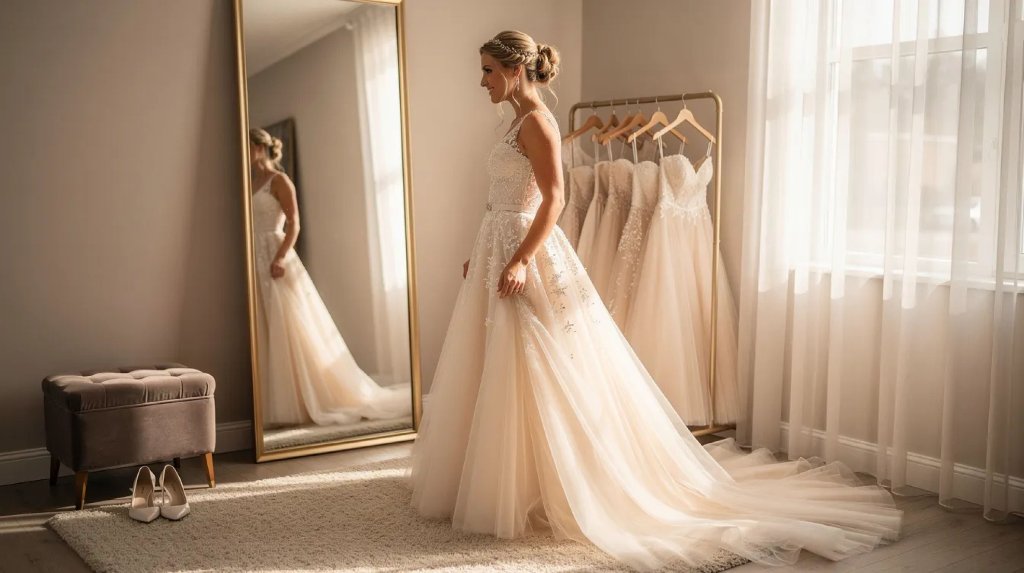
Bridal Guide · 10 June 2026
Wedding Gowns & Dresses
Wedding Gowns & Dresses: Your Complete Bridal Guide for 2026
Key Takeaways
- This guide helps brides choose a perfect wedding dress for 2026 without turning the search into stress.
- Modern wedding dresses range from around £500 sample-sale gowns to £2,000+ designer pieces, so there is a beautiful option for every budget.
- Trying on dresses in person, from UK size 6 to 24 and beyond, with a stylist is essential to a relaxed, joyful bridal experience.
- Popular 2026 trends include minimalist crepe gowns, romantic lace, detachable sleeves, square necklines, and versatile day-to-night bridal looks.
- We will walk step by step through silhouette, fabrics, appointments, alterations, accessories, and the emotional wedding journey.
- Use this wedding gown dresses guide as practical inspiration before you visit a shop, store, or boutique page.
Introduction to Wedding Dresses in 2026
Wedding gowns in 2026 blend timeless elegance with modern comfort. Lightweight linings, stretch panels, softer boning, and breathable fabrics mean a bride can enjoy the wedding day, sit through dinner, walk up stairs, and dance without feeling trapped in the dress.
In the UK, many brides begin shopping 9–12 months before the wedding, order around 7–9 months out, and start fittings 12 weeks before the big day. According to Bridebook's UK dress pricing guide, the average price is about £1,532, with most boutique bridal gowns sitting around £1,000–£2,000.
Wedding dresses, wedding gowns, and bridal separates all belong in this conversation. "Gown" often suggests a more formal or crafted piece; "dress" can feel broader; separates include tops, skirts, trousers, overskirts, or jumpsuits. This article takes a boutique-style view: curated collection choices, an expert team, calm fittings, and personal service rather than mass-market scrolling.
Understanding Wedding Dress Silhouettes & Styles
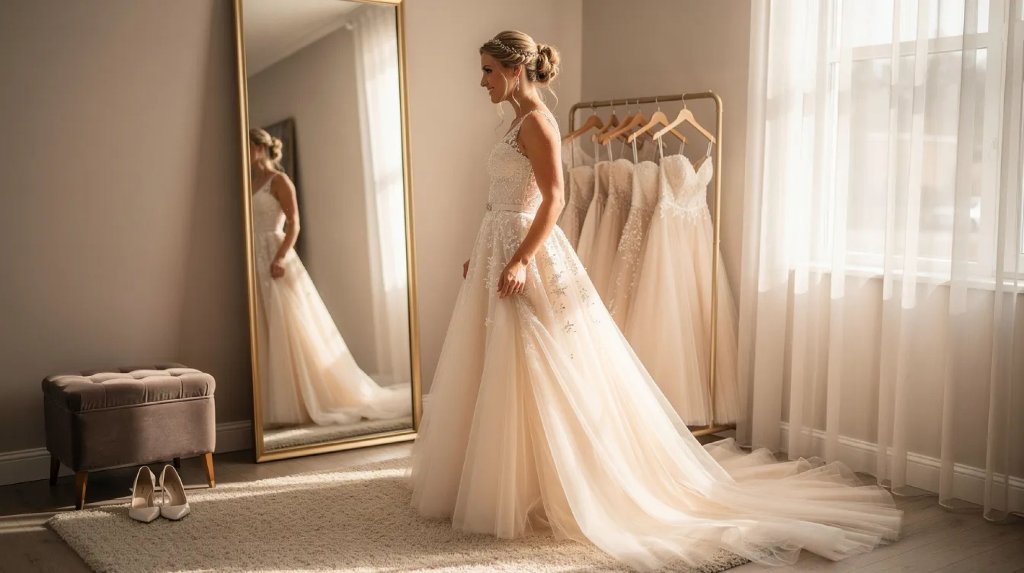
Silhouette is the first big decision because it controls shape, movement, and venue match. Wedding dresses come in various silhouettes like mermaid and fit-and-flare, but the perfect dress is the one that balances personal style and body shape.
A-Line is a universally flattering wedding dress style; A-lines effectively balance proportions for pear-shaped bodies. Ball gowns suit formal hotels, stately home weddings, and dramatic entrances. Fit and Flare style hugs the body through the bust, waist, and hips, while mermaid silhouettes flare out sharply at the knees. Hourglass shapes are flattered by mermaid or fit-and-flare silhouettes.
Sheath styles create an elegant, lengthening effect for tall brides, while column gowns suit modern city ceremonies. Tea-Length dresses are practical and popular for casual weddings, and mini lengths work well for registry offices or evening parties. Empire Line features a high waistline just below the bust and a flowing skirt; Empire waist dresses highlight the décolletage for apple body types.
For 2026, expect square necklines, high necks, long sleeves, backless gowns, and off-the-shoulder necklines to add sophistication to wedding dresses. Contemporary brides also explore jumpsuits, overskirts, detachable straps, and bridal separates that create one look for the ceremony and another for the reception.
Fabrics, Details & Construction That Define a Bridal Gown
Fabric changes everything. The same silhouette in satin feels polished and formal; in crepe, it becomes modern and minimal; in lace, it turns romantic. Bridal gowns are often crafted from silk, lace, and satin, but the full range includes silk mikado, chiffon, organza, tulle, and graphic lace.
Silk Mikado gives structure and luxury. Satin photographs with a smooth glow. Crepe skims the body with clean lines. Chiffon feels soft and airy. Organza adds crisp volume. Tulle brings softness to skirts and veils. Graphic lace creates a modern edge, while vintage-inspired gowns appeal to traditional brides.
Trend-led details include 3D floral appliqué, pearl beading, corsetry-style bodices, visible boning, and seam-led tailoring. Structure matters too: built-in cups, inner corsets, good lining, and balanced weight help the gown support you through the special day. Long-sleeved lace wedding dresses suit winter celebrations, while summer gowns need lighter construction.
Sustainability is also shaping the bridal collection world. Grace Loves Lace dresses are ethically and sustainably made. Sustainable wedding dresses prioritise high-quality, thoughtfully sourced materials, sustainable practices in bridal fashion reduce environmental impact, and sustainable wedding dresses often feature eco-friendly production methods, a theme explored in more depth through bridal advice, styling inspiration, and alteration tips.
Choosing the Perfect Wedding Dress for Your Body, Venue & Season
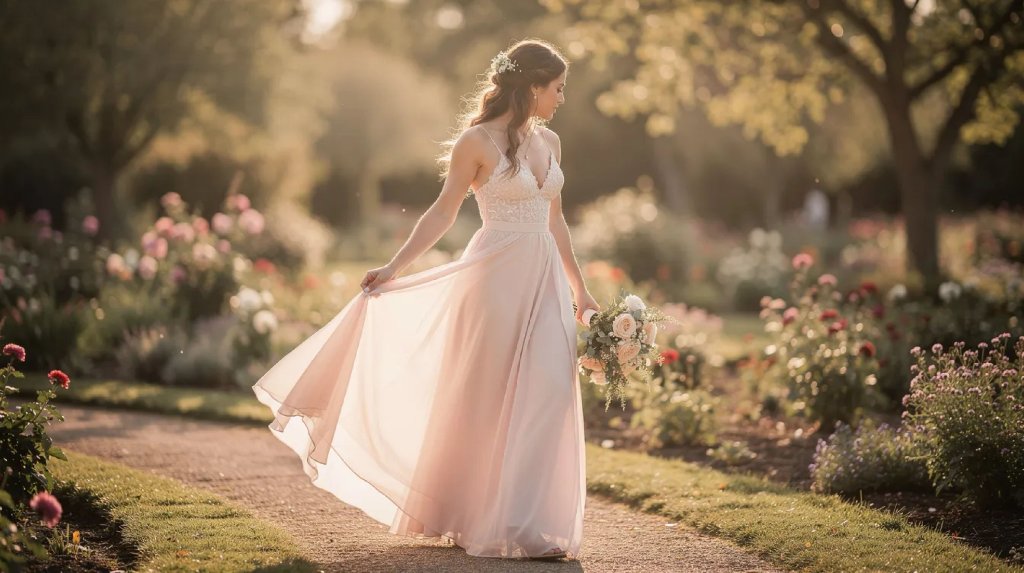
The perfect wedding dress should work with your figure, venue, season, and vision. Choosing a wedding dress involves balancing personal style and body shape, not forcing yourself into a trend because it looks amazing on Pinterest, and many brides benefit from personalised bridal consultations, alterations and styling services to bring that vision together.
For venues, match the mood. A London town hall suits clean tailoring, satin minis, or chic crepe gowns. A countryside barn can carry boho texture, soft fabrics, and relaxed lace details. Bridal dresses for beach venues should use lightweight fabrics. Destination weddings abroad need packable fabrics, less weight, and manageable trains. A grand house or cathedral can carry drama, a veil, and a full skirt with grace.
Season matters in the UK. From June to August, choose chiffon, organza, light crepe, or breathable lace. For October–February, consider long sleeves, heavier mikado, satin, capes, and lined gowns. Bohemian styles use soft fabrics, lace details, and comfortable silhouettes. Modern minimalist designs focus on clean lines and high-quality fabrics.
Petite brides may prefer higher waistlines and less volume. Tall brides can wear column, sheath, or dramatic trains. Curvy brides often benefit from corsetry and strong bust support. Athletic body types may love belts, structured bodices, or fuller skirts. During try-ons, sit, walk, turn, and climb a step if possible.
Budget, Pricing & What Affects the Cost of Wedding Gowns
Typical UK price brackets are simple: under £800 for sample sale, pre-loved, or off-the-peg gowns; £1,000–£2,000 for many boutique gowns; and £2,000–£3,000+ for designer, bespoke, or couture-level pieces.
Cost is driven by fabric quality, hand embellishment, designer reputation, custom changes, and whether the gown is made-to-order or off-the-peg. A lace, beaded ball gown usually costs more than a simple crepe column dress from the same brand because the labour and materials are heavier.
Build a realistic budget that includes alterations, shoes, underwear, veil, accessories, cleaning, and preservation. If you want to save or stay under £1,000, search sample sales, trunk shows, pre-loved boutiques, and ready-to-wear options early, or focus on intimate, personalised bridal studios that can guide you clearly on pricing and options.
Planning Your Bridal Experience & Boutique Appointments
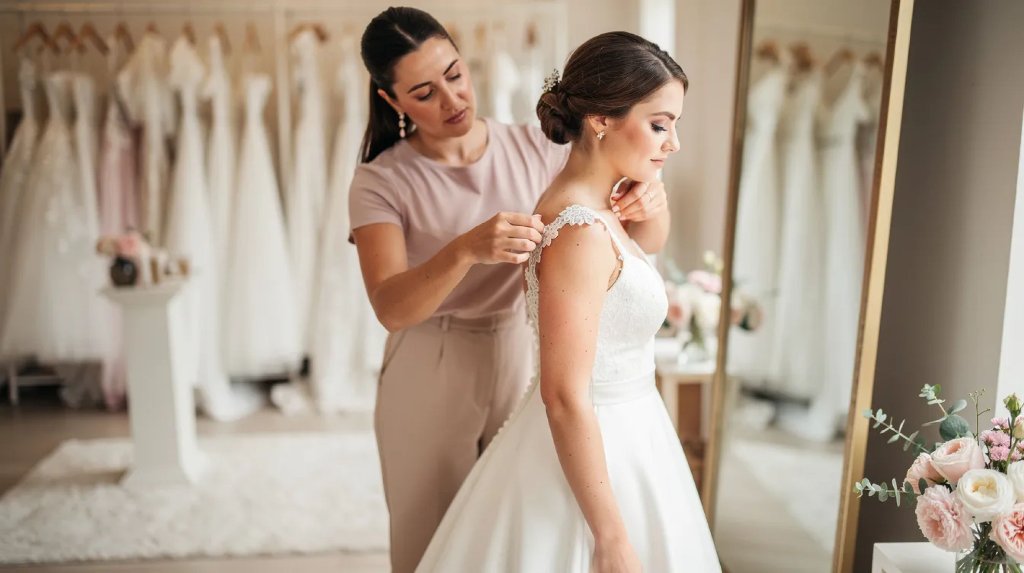
A 2026 bridal experience should feel calm, supportive, and centred on the bride. Booking a private bridal appointment helps brides discover their unique bridal style, especially when the stylist listens before pulling gowns from the main collection.
A first visit is often best 9–12 months before the big day; ordering around 8 months out keeps production relaxed; fittings usually start 12 weeks before the wedding.
Most appointments last 60–90 minutes, with six to ten gowns tried. Bridal appointments typically allow up to two guests, though some boutiques allow three; fewer opinions usually mean a more wonderful experience. Ask about photos, children, deposits, and whether the stylist can help you sign up or join a cancellation list.
Bring inspiration, screenshots, and a Pinterest board, but stay open. Many a girl has walked in asking for romantic lace and left in sleek satin.
Alterations, Customisation & Making the Dress Uniquely Yours
Almost every wedding dress needs alterations. Standard work includes hemming, taking in seams, letting out where possible, adjusting straps, refining bust support, and adding a bustle so the train can move after the ceremony.
Customisation can create a special moment: detachable sleeves, a softer neckline, extra buttons, a longer train, a cape, or an overskirt. Expect 2–3 fittings and costs from a few hundred pounds, rising with beadwork, layers, or structural changes. Confirm whether alterations are in-house or handled by an external seamstress, and book early if you'll need specialist wedding dress alterations in Southampton or a tailored alterations timeline and fitting plan.
Bridal Accessories: Completing Your Wedding Dress Look
Accessories should support the gown, not compete with it. Bridal accessories such as veils, jewellery, shoes and headpieces come in various styles and lengths: fingertip, chapel, cathedral, and shorter lengths for casual looks. A cathedral veil suits formal gowns; a simple fingertip veil may suit a minimal crepe dress.
Hairpieces, earrings, necklaces, and bracelets should match the neckline. High necks often need earrings rather than necklaces. Shoes affect hem length, so choose heel height before fittings. For outdoor venues, avoid narrow heels on grass, and pack flats for dancing, or work with a dedicated bridal styling service to coordinate everything from headpieces to shoes.
Finalise seamless underwear, shapewear, strapless bras, or low-back lingerie before fittings. Belts, capes, jackets, and overskirts can shift the mood from ceremony to reception.
Real Brides & Inspiring Wedding Dress Journeys
Real stories help new brides imagine their own wedding journey, just as real brides' love stories and testimonials can reassure you that there's no single "right" path. One May 2025 city bride planned a ball gown but wore a clean mini with a long veil; her photographer loved the movement against modern architecture.
A September 2024 barn bride expected boho lace but chose an elegant crepe A-line after discovering it matched her shape and rustic venue. A June 2023 Italy bride skipped heavy beading for lightweight chiffon and said the comfort made the whole day feel easy, while others choose to redesign or transform a pre-loved wedding dress into a new heirloom that still carries its original story.
Each bride found "the one" by trying unexpected gowns. That moment with friends, family, or a quiet stylist can become one of the dreams you remember most.
Frequently Asked Questions
When should I start shopping for my wedding dress?
Most UK brides should start 9–12 months before the wedding date. If your wedding is within 3–4 months, ready-to-wear, sample gowns, or off-the-peg options can still work.
How many wedding dresses should I try on before deciding?
Aim for 6–10 dresses across 1–2 appointments. Too many visits can create doubt, so focus on how you feel in each gown rather than chasing a number.
What size wedding dress will I wear compared to my usual clothing size?
Bridal sizing often runs smaller than high-street clothing, so you may wear one or two sizes up from your usual UK size. The label does not matter; the seamstress will tailor the gown to your measurements.
Can I lose or gain weight after ordering my dress?
Modest changes are common and can usually be managed up to 6–8 weeks before the wedding. Order using current, accurate measurements and be honest with your stylist.
What should I bring to my wedding dress appointment?
Bring nude or light-coloured underwear, a strapless or convertible bra if needed, shoes with a similar heel height, minimal makeup, hair ideas, and 1–3 trusted guests who understand your style and budget.
Use this wedding gown guide as your first step, then explore real gown fitting in person. The right boutique, expert team, and open mind can turn the search into a special day before the wedding itself.
Book Your Appointment